
On this page you will find:
- Choosing your first saxophone - An Introduction
- The saxophone family - Soprano, alto, tenor & baritone
- How we choose - How do we decide which saxophones to hire?
- Which sax shall I hire?
- Hire or Buy? - Our instrument rental scheme
- Which one should I hire? - What can you expect for your money?
- An introduction to reeds & mouthpieces
Other relevant pages:
- Woodwind instrument care & maintenance
- Hire a Saxophone from our online store
- Contact Us
Choosing Your First Saxophone
If you're new to the saxophone, deciding which instrument to hire can feel overwhelming. With so many brands, models, and price ranges available, it’s completely normal to want a bit of expert guidance.
If you already have a teacher, it’s always a good idea to ask for their recommendation. No one wants to turn up to their first lesson with a saxophone the teacher isn’t happy with!
In this guide, we’ll explore the different types of saxophones, the brands we offer, how we select the instruments we stock, and how to choose the saxophone that will suit you best.
The Saxophone Family - An Introduction
The saxophone, commonly known as the sax, is a versatile family of woodwind instruments. Invented in 1840 by Belgian instrument maker Adolphe Sax, it was designed to deliver a powerful, resonant sound unlike any other woodwind instrument. Although there are fourteen different types of saxophones, the four most widely used are soprano, alto, tenor, and baritone — with the alto and tenor being the most popular choices.
Most children begin learning on an alto saxophone, and while adults can start on any type, the alto remains the most common starting point.
Below, we’ve highlighted some of the key differences between each instrument.
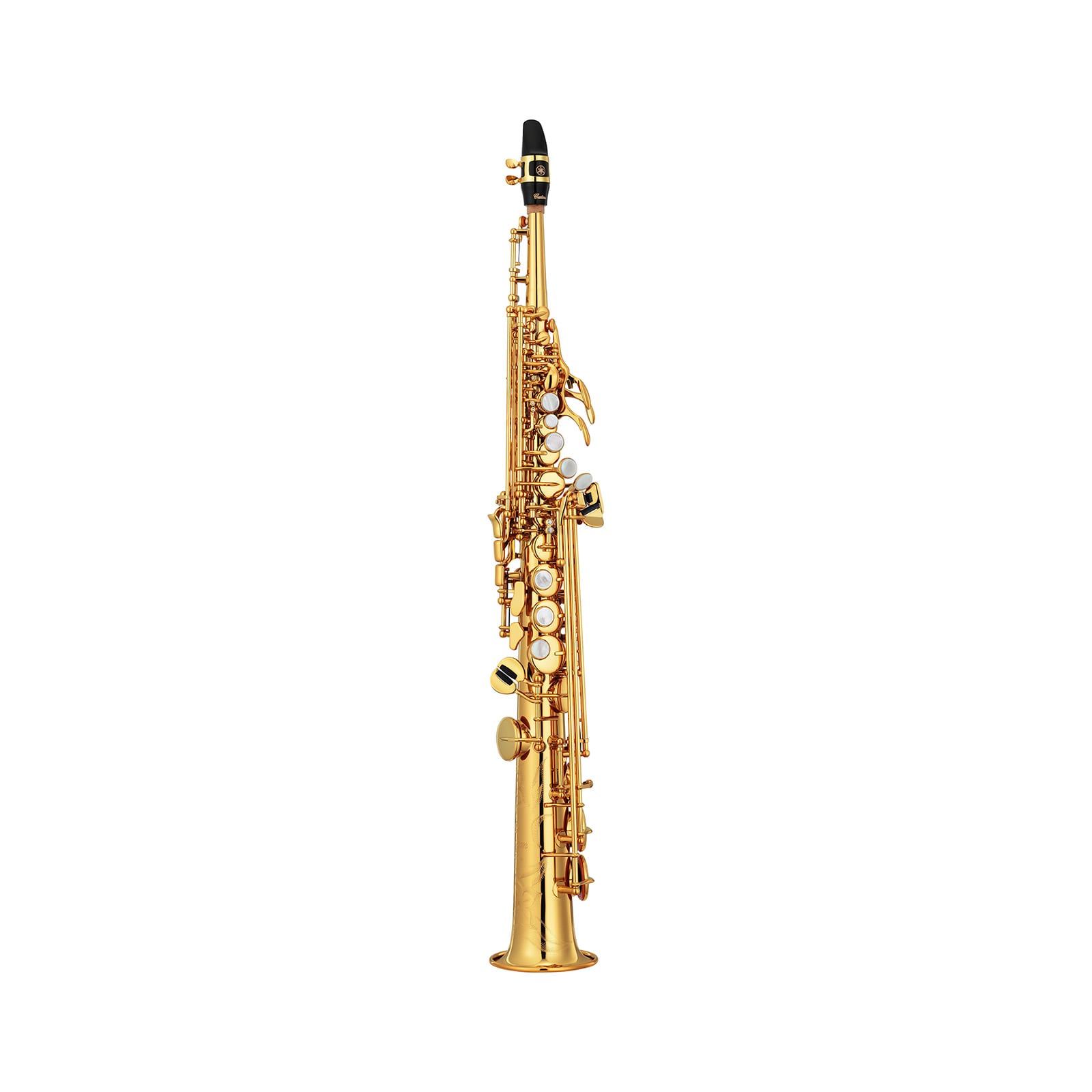
Soprano Saxophone
The soprano saxophone produces a bright, articulate sound and, like the alto, is often more affordable thanks to its smaller size and lighter weight. It’s not usually ideal for younger beginners, but it’s a popular choice among adult players. The soprano is tuned to Bb and sounds two and a half steps higher than the alto.
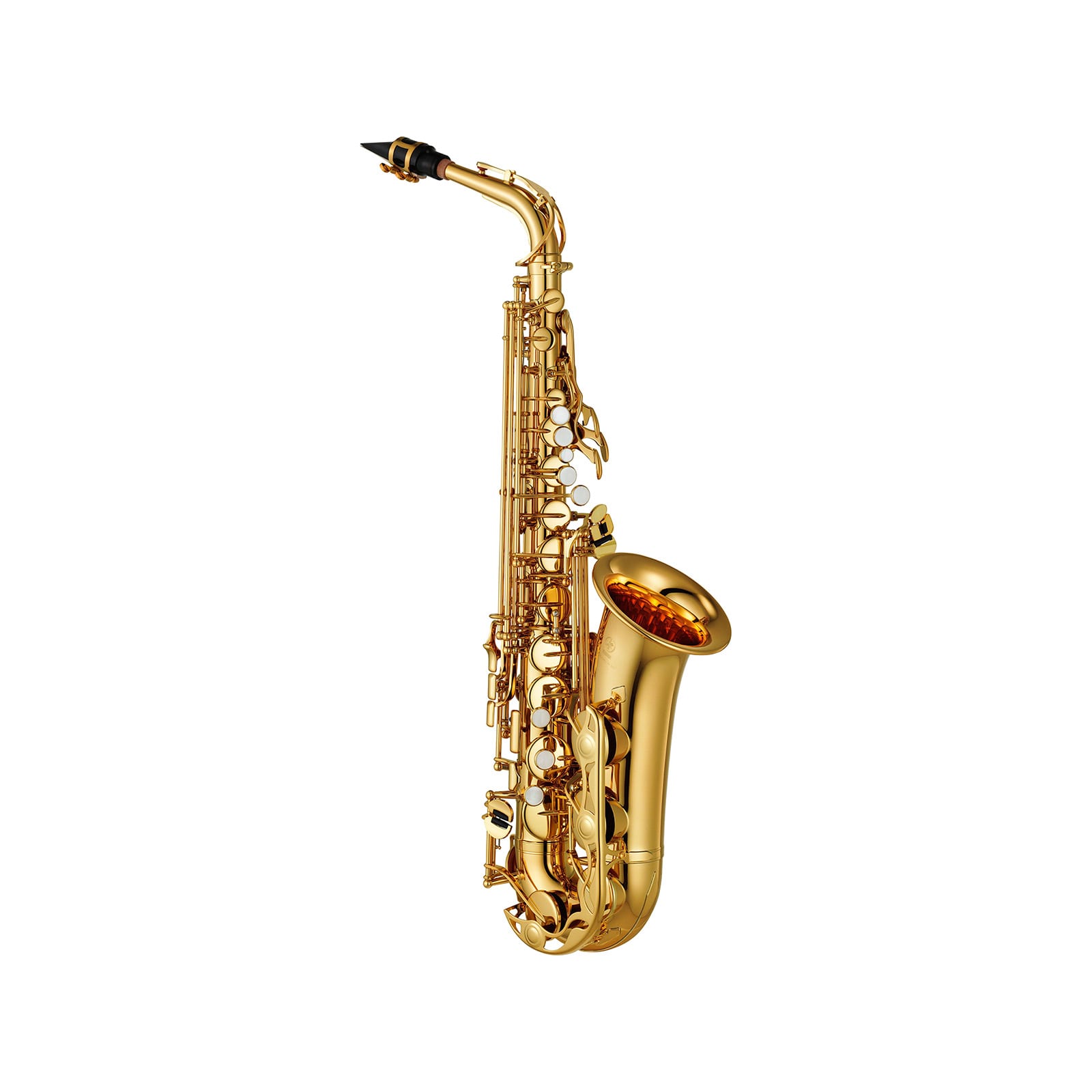
Alto Saxophone
Tuned to Eb (two and a half steps higher than the tenor), the alto saxophone is by far the most popular choice for beginners. It’s smaller, comfortably sized, and requires less air to play than the tenor or baritone. It is also the most affordable option within the saxophone family.

Alpha Saxophone
The Alphasax is a specially designed, lightweight version of the alto saxophone created for younger players. Made by Trevor James, it allows small children to start learning the saxophone comfortably, thanks to its reduced size and child-friendly design.
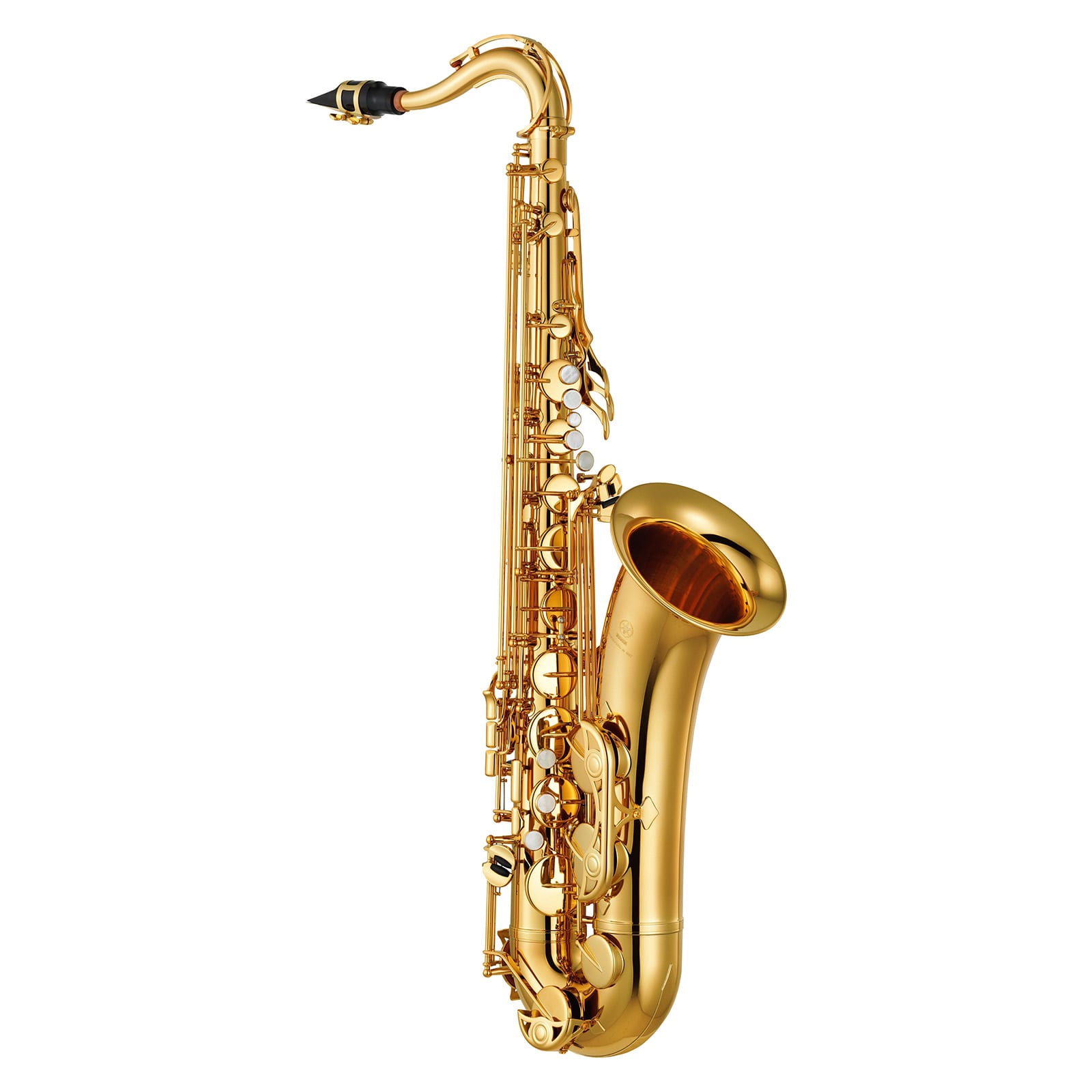
Tenor Saxophone
The tenor saxophone, tuned to Bb, is often linked with jazz thanks to its rich, warm, and sometimes growling tone, though it’s widely used across many musical styles. Its larger size and heavier weight generally make it unsuitable for younger children, but it’s an excellent choice for older learners and adults seeking a bold, expressive sound.

Baritone Saxophone
The baritone saxophone delivers powerful, resonant bass notes and is the largest commonly played member of the sax family. Its size means it is almost always performed while seated. Although not typically a solo instrument, it’s used across many musical genres — and its deep, honking tones are unmistakable.
Which Saxophone Should I Hire?
There’s no single right or wrong choice — we only stock saxophones that offer excellent value for money and genuinely support players as they learn and progress. As with most things, higher-priced instruments typically offer improved quality. Below, we’ve summarised each saxophone type and the approximate grade level that can usually be achieved on each.
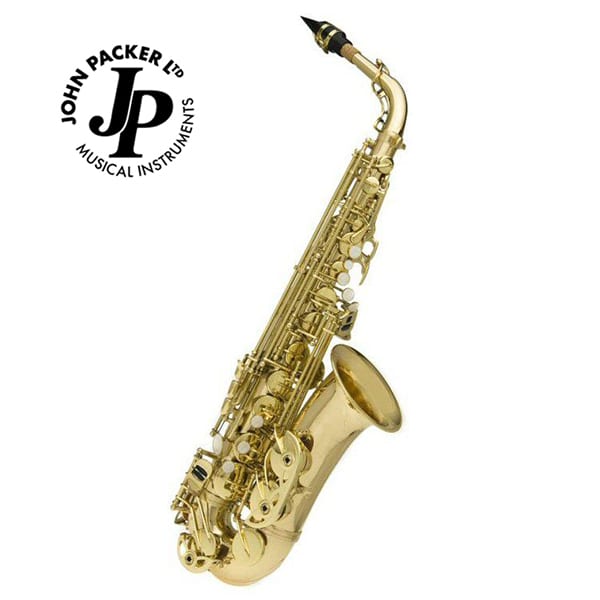
John Packer
John Packer horns (e.g. the JP045 alto sax) are positioned as affordable, entry‑level instruments. They’re often recommended as a good “starter sax” that can carry a learner through to the middle grades. John Packer+1
For the price, they offer decent build quality and reasonable intonation for beginners. That said, among more experienced players or those thinking long‑term, some feel they may not satisfy as a long‑term professional instrument. For instance, in community discussions:
“For the price it is okay and one of the better cheap new saxes in its price range but something I felt I wasn't going to be happy with long term.” Reddit
Best for: Beginners on a tight budget, or someone who wants to try saxophone without a big investment upfront.
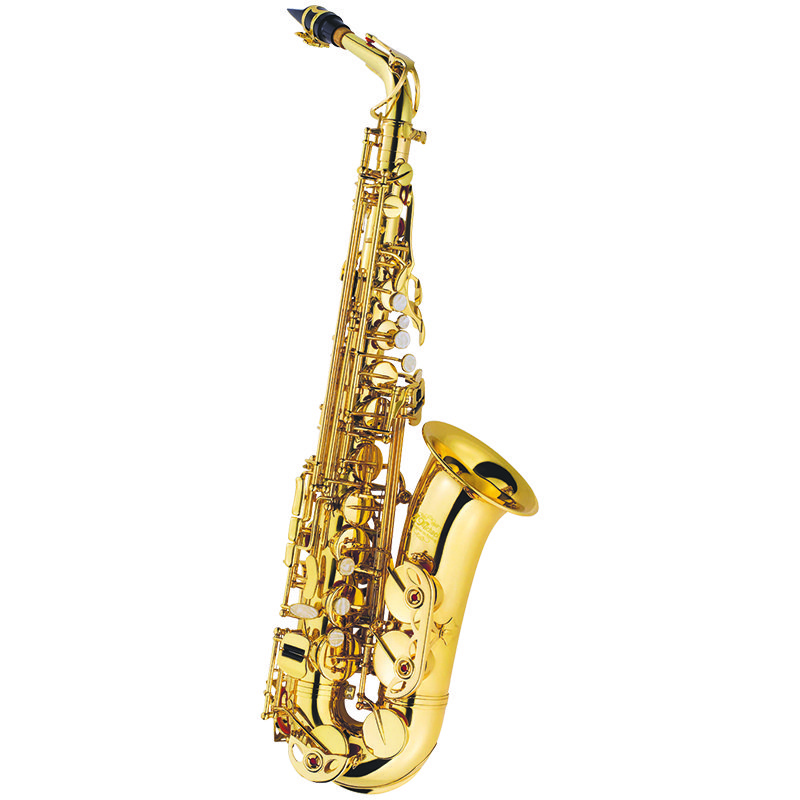
J. Michael
. Michael saxophones are widely regarded as student‑level or beginner‑friendly instruments.
The brand aims to “offer fine quality at good value prices,” often positioning itself as a way for students or casual players to get started without spending as much as higher‑end instruments.
Their instruments are distributed in many UK music shops and are popular among teachers and learners for educational use.
So, in short: J. Michael is generally not a top‑tier professional brand — but rather a value‑oriented brand focused on beginners, students, and people wanting to learn saxophone affordably.
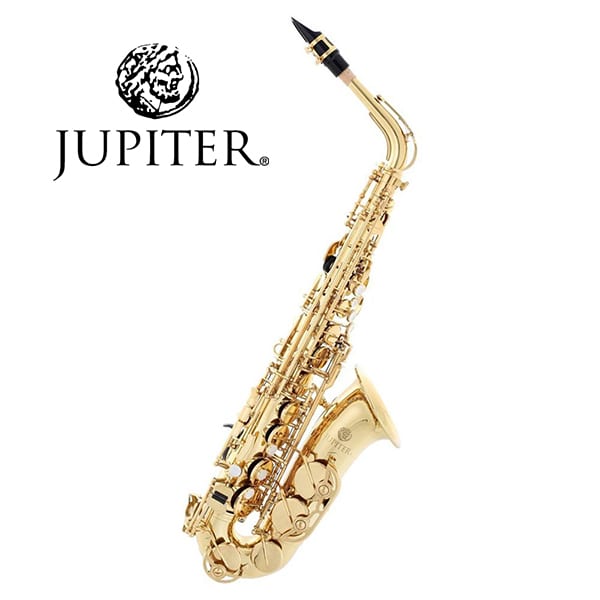
Jupiter
Jupiter saxophones strike a middle ground — more refined than the most basic brands but usually less expensive than the top-end “professional” models. They enjoy a solid reputation for sturdy build quality, good intonation, and manageable maintenance. Jazzfuel+2inkl+2
Models like their JAS‑500 alto have been described as “bright,” expressive and “a standout saxophone for beginners” — combining a reasonable price with sound quality and reliability. inkl+1
That said, while generally reliable, some players note that Jupiters may not be quite as rugged or “polished” as top-tier instruments when exposed to heavy, long-term use. Reddit+1
Best for: Beginners and intermediate players who want a step up from entry‑level saxophones, or those who want a dependable “second sax” without overspending.

Trevor James
Trevor James is well regarded for mixing affordability with quality. Their instruments (like the “The Horn” alto sax) are often highlighted as excellent value for money and especially student‑friendly. Jazzfuel+2The Standard+2
Their saxophones are known for smooth key action, good intonation, and being relatively easy to handle — a real plus for beginners and intermediate players. The Standard+1
For younger or smaller players, their lighter ergonomics and manageable resistance can make learning less strenuous. John Packer+1
Best for: Beginners and intermediate players seeking a high-value instrument that is easy to play — a strong “starter-to-intermediate” option.
Elkhart
Elkhart is a brand under the umbrella of Conn-Selmer, a well‑known name in woodwind manufacturing. Forsyth Music Shop+2inkl+2
Their saxophones (models like the 100AS alto, 100TS tenor, 100SS soprano, etc.) are positioned as student‑level or beginner instruments — intended for first‑time buyers, school music programmes, or anyone looking for an affordable introduction to saxophone. connselmer.eu+2Heritage Music+2
Elkhart instruments are widely used in education settings and by beginners because they provide decent build quality, a full outfit (instrument + case + accessories), and a manageable price point compared to more premium brands. rosehillinstruments.co.uk+2The Music Cellar+2

Yamaha
Yamaha stands out for consistency, build quality, and long-term reliability. Their student- and intermediate-level saxophones (e.g. YAS‑280 series) are designed for ease of play, good intonation, and durability. John Packer+2John Packer+2
Many teachers and experienced players recommend Yamaha if you want an instrument that can remain “good for many years,” even with regular use. As one comment on a forum put it:
“Yes, Yamaha over everything unless it’s a vintage Selmer.” Reddit
Their ergonomics, key action, and tone consistency are frequently praised — making them a safe, dependable choice for both students and advancing players. John Packer+2John Packer+2
Best for: Beginners and intermediate players who want longevity, reliability, and an instrument that will grow with them over many years.
Which Saxophone Should You Hire?
When browsing our range of saxophones for hire, it’s generally true that paying a bit more often brings:
Better build quality
Superior tone quality
Easier achievement of a good sound
That said, price alone isn’t a guarantee — some expensive instruments may still underperform. We only hire brands that we trust, ensuring you get excellent value for money and a satisfying playing experience.
How We Choose an Instrument
Our selection process is based on three key sources:
Our repairers – Regardless of popularity, if an instrument doesn’t meet our repairers’ approval, we won’t stock it. We need to stand behind every instrument we hire, ensuring long-term reliability.
Our customers – Since 1984, we’ve listened closely to teachers and players. Their insights on tone, tuning, key feel, and ergonomics guide our choices.
Our commercial expertise – We evaluate value for money, durability, and suitability for learners. Our goal is to provide all the information you need to pick the right instrument for your journey.
Hire or Buy?
For first-time learners — children or adults — deciding to buy a saxophone can feel daunting. Our Hire Scheme offers an ideal way to get started with minimal financial commitment.
Key advantages of hiring:
Economical – Pay monthly, and you can cancel anytime after the first three months by simply returning the instrument.
Top-quality instruments – Avoid frustration caused by poor-quality saxophones; our hire instruments are professionally serviced and ready to play.
Convenient – No need to worry about buying or reselling; just return the instrument if it doesn’t work out.
Hiring allows you to focus on learning, enjoying, and progressing on the saxophone without the upfront cost or long-term commitment.